AI-Driven Recruitment.
Software company within banking and financial services
Worked as a facilitator and process lead in a cross-functional AI and process optimization initiative focused on improving the recruitment process.
Led the work of analyzing operational workflows, identifying process inefficiencies, and creating alignment between IT, HR, and business stakeholders around how AI could be leveraged to streamline recruitment operations.
The Challenge
The organization's IT department had developed an initial proposal for implementing AI within the recruitment process. However, the proposal faced resistance from HR and other business areas, who felt that the suggested solution did not fully address their actual operational needs and workflows.
I was brought in to:
- assess whether the proposed AI initiative was the right strategic direction,
- create alignment between departments,
- identify the core operational problems that needed to be solved,
- and facilitate the development of solutions for how those challenges could be addressed using AI.
The challenge was not only technical — it also involved change management, communication, and creating shared ownership around a future solution.
Defining direction
A five-week sprint
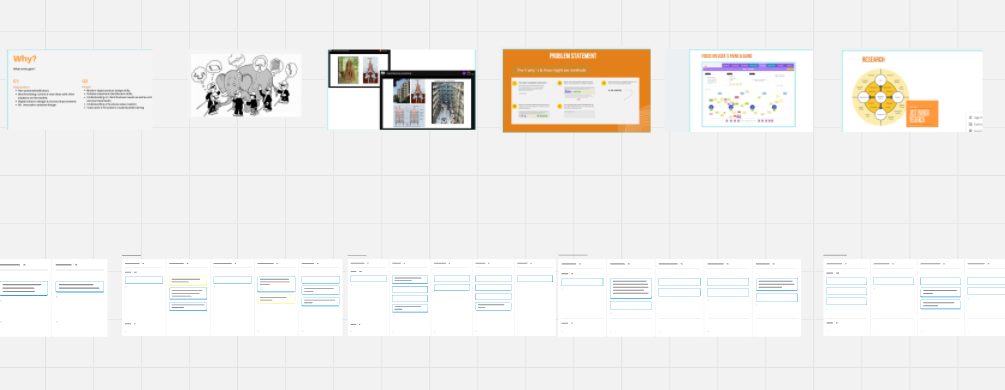
Following an initial assessment, I proposed structuring the initiative as a five-week sprint focused on four key areas.
It was important that the process remained exploratory and collaborative — the objective was not to validate the IT department's original proposal, but to identify the solution that would create the greatest value for the organization.
Understanding the business in depth
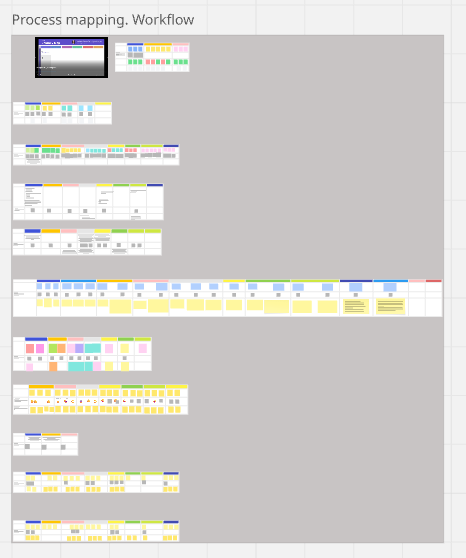
Designed and facilitated workshops and individual interviews involving participants from multiple parts of the organization. Approximately ten stakeholders participated from a range of functions.
The workshops also increased cross-functional understanding by giving participants visibility into each other's workflows, priorities, and operational challenges.
- current workflows
- manual and repetitive tasks
- bottlenecks
- communication challenges
- areas where AI and automation could improve efficiency
Designing solutions together
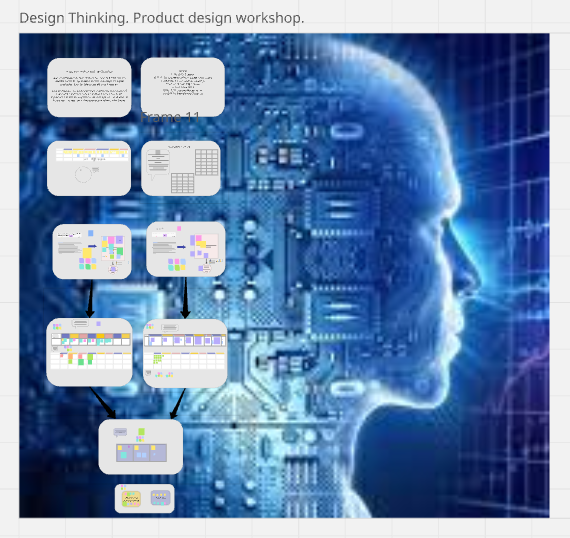
Following the analysis phase, I synthesized findings and facilitated collaborative workshops where IT teams and business stakeholders explored potential solutions together.
Participants were divided into smaller groups to brainstorm AI concepts and improvement initiatives connected to identified problem areas. Each group presented its proposals, and together the organization aligned on a shared direction that combined the strengths of multiple ideas.
Anchored decisions
When the final proposal was presented to leadership, the initiative already had strong organizational support because both business and IT stakeholders had actively contributed to shaping the solution.
Facilitated cross-functional workshops and working sessions.
Designed and led workflow and operational needs analyses.
Structured sprint planning and collaboration processes.
Moderated discussions between IT, HR, and business stakeholders.
Synthesized insights and identified improvement opportunities.
Supported development of AI-related solution concepts.
Contributed to organizational alignment and change management.